Local charity recycling tips after removals in Isleworth
After a move, the hardest part is often not the lifting. It is the aftermath: half-open boxes, one broken lamp, a stack of books you will never reread, and that awkward corner where "useful someday" items quietly pile up. If you are looking for Local charity recycling tips after removals in Isleworth, you are probably trying to do three things at once: clear the space, avoid waste, and make sure good items help someone else instead of heading straight to the bin.
That is a sensible goal, and to be fair, it is the best way to handle post-move clutter. In Isleworth, a thoughtful approach can keep furniture, household goods, clothes, and office items moving through a more responsible route. This guide walks you through what to donate, what to recycle, how to prepare items, and how to avoid the common mistakes that turn a helpful clear-out into a messy second job.
Contents
- Why Local charity recycling tips after removals in Isleworth Matters
- How Local charity recycling tips after removals in Isleworth Works
- Key Benefits and Practical Advantages
- Who This Is For and When It Makes Sense
- Step-by-Step Guidance
- Expert Tips for Better Results
- Common Mistakes to Avoid
- Tools, Resources and Recommendations
- Law, Compliance, Standards, or Best Practice
- Options, Methods, or Comparison Table
- Case Study or Real-World Example
- Practical Checklist
- Conclusion
- Frequently Asked Questions
Why Local charity recycling tips after removals in Isleworth Matters
Post-removal sorting is a small task with a surprisingly big impact. Once the boxes are down and the keys are handed over, it is easy to take the quickest route and shove everything into general waste. But many of the things people leave behind after a move still have life in them. A dining chair with a scuff, a toaster that works perfectly, a bag of clean towels, or a spare desk from a home office all may be useful to a local charity, community group, or reuse service.
In Isleworth, this matters for a few reasons. First, it reduces avoidable waste. Second, it can support people who need affordable items. Third, it usually makes your clearance calmer and cheaper than dealing with mixed waste at the end. That last part is often overlooked. A move is expensive enough already, and once you start paying to remove everything as rubbish, the costs can creep up fast.
There is also a practical side that people notice only after the fact. Donation-ready items are easier to manage if you sort them early, because they stay clean, visible, and separated from broken or dirty goods. Once everything is mixed together in one pile, the good intentions often vanish under old tape, dust, and last-minute panic. I have seen that more than once; frankly, it is the part of moving that gets messy in a very ordinary, human way.
If your move includes bulky pieces, a little planning around furniture removals or a broader removals service can give you the breathing room to decide what should be donated, repurposed, or recycled. That decision, made early, is where the savings and the goodwill usually begin.
How Local charity recycling tips after removals in Isleworth Works
The process is simple in principle, though a move can make even simple things feel complicated. You sort what you no longer need, identify what is safe and useful enough to pass on, prepare the items properly, and send them on to the right place. The main difference between a smooth donation and a frustrating one is condition. Charities and reuse organisations generally need items that are clean, intact, and suitable for immediate use or resale.
A useful rule of thumb: if you would not hand it to a friend without apologising first, it probably needs more work before donation. Maybe the item just needs a wipe-down or a battery change. Fine. But if it is damaged, stained, missing parts, or potentially unsafe, recycling or responsible disposal is usually the better path.
In practice, many households in Isleworth handle this in three layers:
- Donation for usable items in good condition.
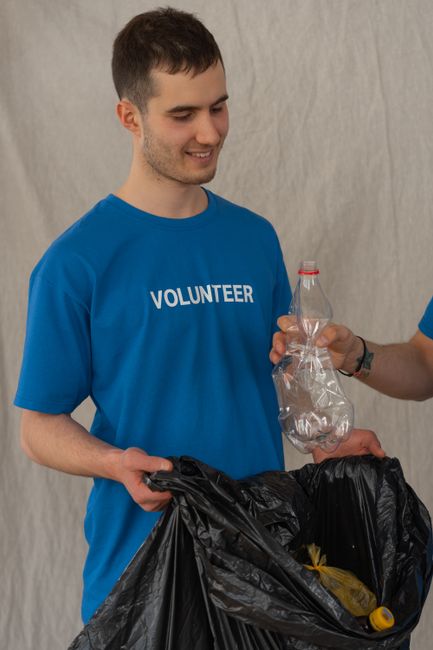
- Recycling for materials that can be broken down and processed.
- Disposal for anything unsafe, contaminated, or beyond repair.
If you are moving from a flat and space is tight, you may also find it helpful to coordinate sorting with flat removals so donation piles do not block hallways or stairwells. It sounds minor, but if you have ever tried to carry a mattress past a row of boxes and a lamp stand, you will know why order matters.
There is no single "correct" charity recycling route for every item. Some things are perfect for household donation; others are better handled as scrap or recycling. The trick is matching the item to the right channel rather than sending everything to one place and hoping for the best.
Key Benefits and Practical Advantages
A well-planned charity and recycling clear-out after removals does more than reduce waste. It gives you control at a moment when control is often in short supply. That may sound dramatic, but moving day has a way of making everyone slightly less calm than they intended to be.
Here are the main benefits:
- Less waste going to landfill because reusable goods are diverted first.
- Cleaner final handover for the property, which matters when time is tight.
- Better use of storage space while you decide what stays and what goes.
- More affordable clear-outs when donation and reuse reduce bulky waste volumes.
- Good social value because usable items can help local people and charities.
- Lower stress because a structured approach removes the last-minute guesswork.
There is also a softer benefit that people mention after the dust settles. A clean, intentional sort-through feels good. Not in a dramatic, lifestyle-guru way. Just in a "thank goodness, that room is done" way. After a move, that matters.
If your clear-out includes items that are too bulky for one person to handle safely, using a service such as man with van or, for larger jobs, removal services can keep the process efficient while you focus on sorting. For bigger homes, it may be worth combining the work with home moves support so the move and the donation plan do not fight each other.
Who This Is For and When It Makes Sense
This approach is useful for almost anyone moving in Isleworth, but it is especially practical in a few situations. If you recognise yourself in one of these, you are in the right place.
- Home movers who have duplicates, unwanted furniture, or cupboards full of never-used items.
- Flat movers who need to make the most of limited hallway and storage space.
- Students clearing shared accommodation at the end of term or before a new tenancy.
- Families downsizing and realising, usually at the eleventh hour, that not everything fits the next place.
- Office teams with surplus desks, chairs, files, and stationery from a relocation.
- Anyone handling inherited items after a house clearance or change in circumstances.
It also makes sense when you have a mixture of items. Perhaps some are ideal for donation, some are recyclable, and some are just worn out. That mixed bag is common after removals. Truth be told, very few people move out of a property with a perfectly tidy pile of donations ready to go. Most of us are dealing with a bit of chaos and one missing charging cable.
For students, timing is often the key issue. If the end-of-tenancy date is close, a faster option such as student removals can help you clear, separate, and donate in one smoother sweep.
Step-by-Step Guidance
Here is a practical way to handle charity recycling after a move without making it harder than it needs to be.
- Start with one room at a time. Do not try to sort the entire property in one heroic afternoon. That way lies tea breaks, confusion, and a lot of "we'll deal with that later."
- Make four clear piles. Keep, donate, recycle, and dispose. If you want, use different coloured labels or marker pen on box tops.
- Check condition honestly. Ask whether the item is clean, safe, complete, and likely to be accepted.
- Separate soft items from hard items. Textiles, books, crockery, toys, and small electricals are usually handled differently.
- Remove personal data. Wipe old phones, reset devices, and shred or secure paperwork before anything leaves the property.
- Pack donation items neatly. Bag like-for-like items together and tape boxes properly so they are easy to unload.
- Keep an eye on fragile items. Glass, mirrors, and lamps need more care than most people realise, especially after a long moving day.
- Book transport at the right time. If donations need to leave on the same day as removals, plan the load order carefully.
A good practical example: a family moving out of a terraced house in Isleworth might gather usable kitchenware, two bedside tables, a nearly new bookshelf, and several bags of clothes. The furniture can be assessed for donation, the books can be boxed for reuse, and the clothes can be sorted separately. Meanwhile, the broken curtain rail and cracked plant pots go to recycling or disposal. Simple enough, but only if you keep the categories strict.
If you are also packing, the advice in packing and boxes can be handy for getting donation items boxed cleanly and labelled before moving day even starts.
Expert Tips for Better Results
Over time, the people who handle moves well tend to share a few habits. Nothing glamorous. Just sensible, repeatable actions that save time later.
- Sort before you clean, but donate after you clean. It is easier to decide on categories first, then give donation items a final wipe.
- Measure bulky items before offering them on. A sofa that will not fit through a charity's collection route is not a useful donation, however nice it looks in the lounge.
- Take photos of larger items. This helps you make a sensible decision and reduces back-and-forth if a charity wants to know condition.
- Keep screws, brackets, and instructions together. A flat-pack table without fittings can turn into someone else's headache.
- Don't mix donation with general rubbish. One dirty item can spoil a whole box.
- Plan around daylight if you can. Sorting items in good light makes condition checks much easier. At 7pm in a hallway, everything looks either fine or disastrous. There is not much middle ground.
There is a quiet efficiency in handling this early. If you know you have larger items to move, a service like furniture pick up can take the stress out of getting donation-ready pieces from the property. For more complex or mixed loads, you may prefer the broader flexibility of man and van support, especially when the final pile is a bit more complicated than expected.
One more small tip: do not over-promise with donations. If you are unsure whether an item will be accepted, treat that as a "maybe" rather than a yes. It saves time and avoids awkward last-minute refusals.
Common Mistakes to Avoid
Most problems happen because people wait too long or sort too loosely. It is rarely a dramatic failure; usually it is just too many things in too little time. Still, a few mistakes come up again and again.
- Leaving donation sorting until moving day. By then, everything is under pressure, and good items get mixed with rubbish.
- Donating damaged or dirty goods. Charities can only pass on items that are safe and usable.
- Forgetting electrical safety. Plug-in items should be in working order and free of obvious faults before donation.
- Assuming every charity takes everything. Needs vary, especially for furniture and large items.
- Stuffing recycling bins incorrectly. Mixed materials and contaminated packaging can ruin a recycling attempt.
- Ignoring access problems. Narrow stairs, parking restrictions, or lift issues can change the best pickup option very quickly.
One of the more common moving-day errors is a simple one: people keep "one more bag" aside and forget about it. Then the van is loaded, the boxes are gone, and a sad little pile still sits in the hallway. Not ideal. Not the end of the world either, but avoidable.
If access is tricky or timing is tight, it may be smarter to combine donation and move logistics with a service such as same day removals. That kind of coordination can save a lot of backtracking.
Tools, Resources and Recommendations
You do not need fancy equipment to recycle and donate responsibly after a move, but a few simple tools make the job much easier.
| Tool or resource | What it helps with | Why it matters |
|---|---|---|
| Strong boxes | Sorting books, kitchenware, and smaller goods | Prevents damage and keeps donation items tidy |
| Marker pens and labels | Clear categorisation | Makes it obvious what is staying, donating, recycling, or going out |
| Cleaning cloths | Quick wipe-downs before donation | Improves acceptance chances and presentation |
| Zip bags for fittings | Keeping screws and parts together | Stops useful items becoming incomplete puzzles |
| Phone camera | Documenting item condition | Helpful when deciding whether to donate or recycle |
In terms of service support, the strongest recommendation is to think about the move as a sequence rather than a single event. For example, if you need packaging help first and removal support second, the service flow in packing and unpacking services can complement your charity sorting plan nicely. And if the clear-out is larger than expected, check pricing and quotes early so you are not making decisions under pressure later on.
People sometimes forget that storage can also buy time. If you are not ready to decide on an item immediately, storage gives you space to think. That is especially useful when you are downsizing and the emotional side of sorting is slower than the practical side.
Law, Compliance, Standards, or Best Practice
This topic is mostly about good practice, but there are a few sensible compliance points worth keeping in mind. In the UK, you should never leave items in a way that creates a hazard, fly-tipping risk, or unsafe loading situation. That applies whether you are donating goods, recycling them, or arranging removal.
For electrical items, do not donate anything that looks unsafe, damaged, or clearly faulty. For furniture, make sure it is structurally sound and clean enough to be reused. For personal paperwork and devices, remove sensitive information before passing items on. That last one is easy to forget, and it can cause more trouble than the bulky furniture does.
Best practice also means being honest about condition and being clear about what a charity can realistically accept. Charities and reuse organisations often work with limited storage, volunteer time, and transport capacity. A well-prepared item is far more helpful than a hopeful one.
On the moving side, it is sensible to choose a provider that takes safety and insurance seriously. If you want to understand how the business handles these areas, the pages on health and safety policy and insurance and safety are useful background reading. That does not replace your own checks, of course, but it does help you make a more informed decision.
Options, Methods, or Comparison Table
Different post-removal items call for different methods. The best choice depends on condition, size, urgency, and whether the item has a clear next life.
| Method | Best for | Pros | Watch outs |
|---|---|---|---|
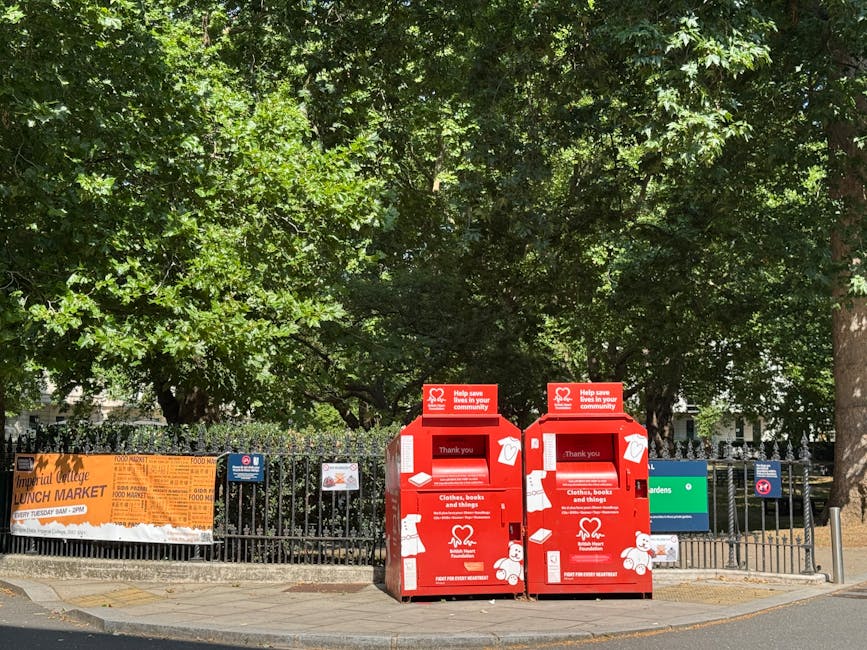
| Charity donation | Clean, reusable household goods and furniture | Supports local causes, reduces waste, simple when items are suitable | Not every charity takes every item |
| Recycling | Materials like cardboard, metals, textiles, and selected electricals | Reduces disposal volumes, handles broken or non-donateable items | Needs correct sorting and contamination-free preparation |
| Reuse by a buyer or recipient | Good-condition items with some value | Can be fast and practical for furniture or appliances | May take more time and coordination |
| Responsible disposal | Damaged, unsafe, or contaminated goods | Clear end point for unusable items | Should be the last resort, not the default |
The comparison is simple, really. If it can be reused safely, start there. If not, recycle where possible. If it is beyond that, dispose of it properly. The only wrong move is skipping the decision and hoping it sorts itself out. It won't.
Case Study or Real-World Example
Here is a realistic Isleworth example. A couple moved from a two-bedroom flat into a smaller place closer to the station. By the end of the move, they had two chairs, a bookshelf, a box of kitchen bits, a bag of decent winter coats, and a slightly battered coffee table. They also had cardboard, broken picture frames, and a lamp that stopped working sometime between the old kitchen and the van.
Instead of leaving everything for disposal, they sorted the goods into three groups. The coats, books, and kitchenware were cleaned and boxed for donation. The bookshelf and one chair were checked for condition and kept aside for reuse. The broken lamp, damaged frames, and worn packing materials were routed to recycling or disposal.
They also booked the move so the donation boxes were loaded last and dropped first, which made the handover less awkward. No one had to climb over a mountain of half-sorted clutter in the final ten minutes. Small win, but a real one.
What did they gain? Less waste, less stress, and a cleaner finish to the move. More importantly, they avoided the common trap of treating all unwanted items the same. That is what makes local charity recycling tips actually work in practice, not just on paper.
Practical Checklist
Use this checklist before, during, or after your move in Isleworth.
- Separate keep, donate, recycle, and dispose piles early.
- Check every donation item for cleanliness and safety.
- Remove batteries, personal data, and loose parts where needed.
- Keep screws, fittings, and instructions together.
- Label boxes clearly so they are not mixed back in by accident.
- Confirm access for bulky items, especially in flats and upper floors.
- Book transport before the final day if you have larger goods.
- Wipe down furniture and hard goods before donation.
- Dispose of damaged, stained, or unsafe items separately.
- Leave yourself a small buffer so the last-minute bag of odds and ends does not derail the whole plan.
If you want the process to feel smoother from the beginning, it can help to review the wider support available through removal companies and recycling and sustainability. That way, your move and your reuse plan are working together instead of competing for your attention.
Conclusion
Local charity recycling after removals in Isleworth is not just a feel-good extra. It is a practical way to reduce waste, help others, and make post-move life feel a lot less cluttered. If you treat it as part of the move rather than an afterthought, the whole job becomes easier. Cleaner, even. And yes, a bit more satisfying too.
The big idea is simple: donate what can still serve, recycle what can be processed, and dispose of only what has truly reached the end of its life. Keep the sorting clear, stay realistic about condition, and give yourself enough time to do it properly. That is the difference between a rushed clear-out and a responsible one.
Get a free quote today and see how much you can save.
And if the move feels like a lot right now, that is normal. One box at a time, one decision at a time. You will get there, and the room will feel lighter when you do.
Frequently Asked Questions
What should I donate after a move in Isleworth?
Clean, usable items are best: furniture in good condition, kitchenware, books, clothes, toys, and working small appliances. If it is safe, complete, and presentable, it may be suitable for donation.
What items are better recycled instead of donated?
Anything damaged, incomplete, stained, or unsafe should usually be recycled or disposed of responsibly. Cardboard, some metals, textiles, and certain electrical items are often better in recycling streams than charity donations.
Can charities take old furniture after removals?
Sometimes, yes, but it depends on condition, size, and collection rules. Furniture should be clean, stable, and fit for reuse. A wobbly chair or broken cupboard is unlikely to be accepted.
How far in advance should I sort donation items?
Ideally, start a few days before moving day, or even earlier if possible. That gives you time to clean items, confirm what can be accepted, and avoid last-minute stress.
What do I do with items I'm not sure about?
Set them aside in a "maybe" pile and review them again later. If you are still unsure, treat them as non-donation items until you can confirm their condition and suitability.
Do I need to clean things before donating them?
Yes, a quick clean makes a real difference. Wipe down surfaces, remove dust, and make sure items are tidy. It is a small effort that improves the chance of acceptance.
Is it worth booking a removals service for donation items?
It can be, especially if you have bulky furniture or a tight moving schedule. Using a service such as removals or furniture pick-up can make the process safer and more efficient.
What happens if a charity can't take my items?
If a charity cannot take them, you may need to recycle or dispose of them another way. That is why it helps to check condition carefully before loading everything into one pile.
Can I combine moving and donation collection on the same day?
Yes, and for many people that is the easiest option. The key is planning the order of loading and making sure the donation items are easy to separate from the rest.
What if I have bulky items but limited access?
That is common in Isleworth flats and tighter streets. In those cases, good access planning matters, and using services that can handle awkward loading or stair access is often the sensible route.
Should I keep documents and electronics with donation items?
No. Personal documents should be secured or shredded, and electronics should be wiped of personal data before reuse or recycling. This is one of those small jobs that saves big headaches later.
How can I make my removal day more eco-friendly overall?
Sort early, donate usable items, recycle correctly, reduce packaging waste where possible, and choose a move plan that avoids unnecessary repeat trips. If you can combine careful packing with responsible sorting, you are already doing very well.